
Wuhan's achievements as a "City of Design" receive praise.
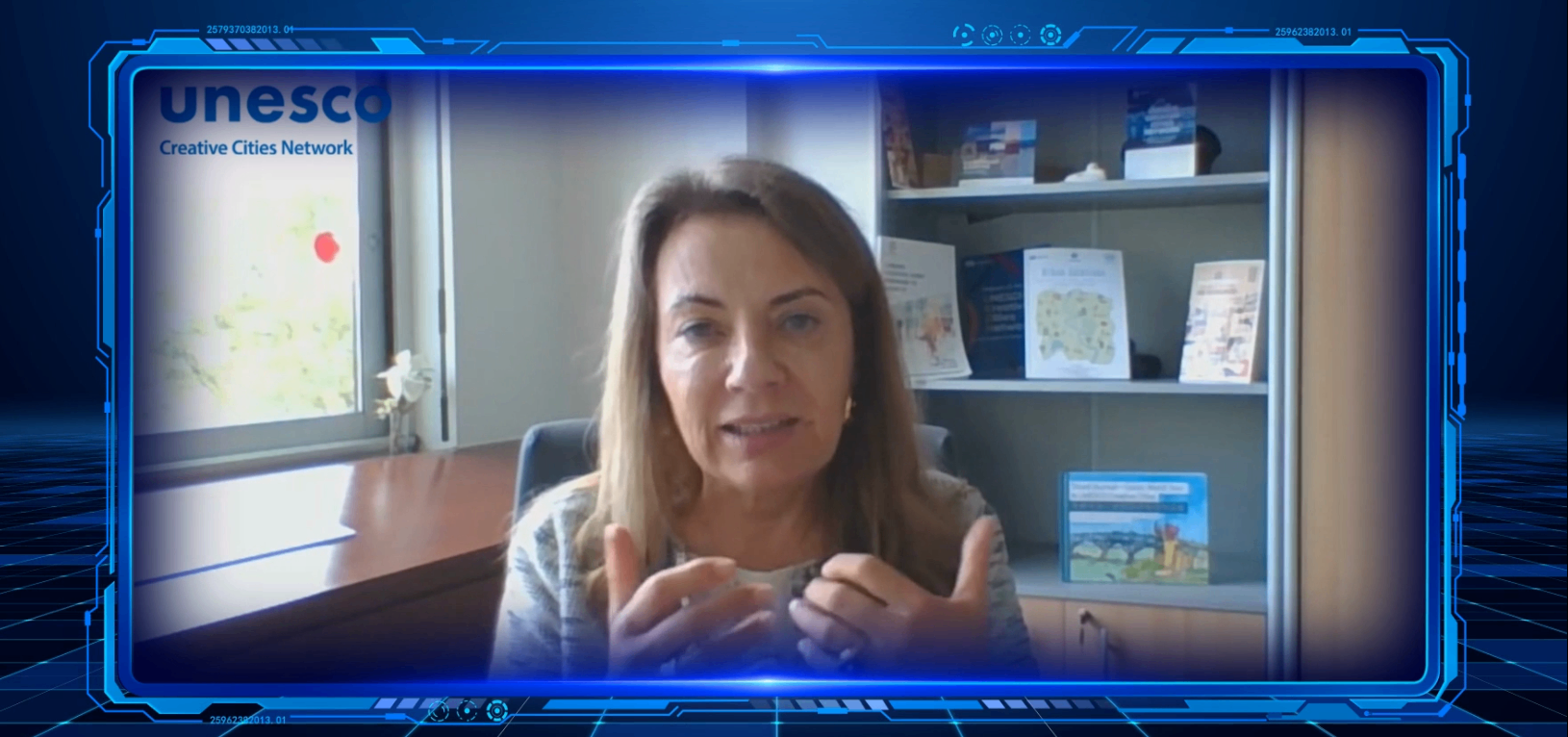
On December 19, at a report meeting, the thematic video "Jiangcheng Huixin: Sketching the Future City with the Brush of Design" focusing on Wuhan's achievements in building a "City of Design" was officially released. Denise Bax, Secretary-General of the UNESCO Creative Cities Network, and Bruno Dercon, Senior Human Settlements Officer at UN-Habitat Asia-Pacific, sent video messages respectively, praising Wuhan's achievements in urban planning and design and expressing their expectations for deeper cooperation with Wuhan.
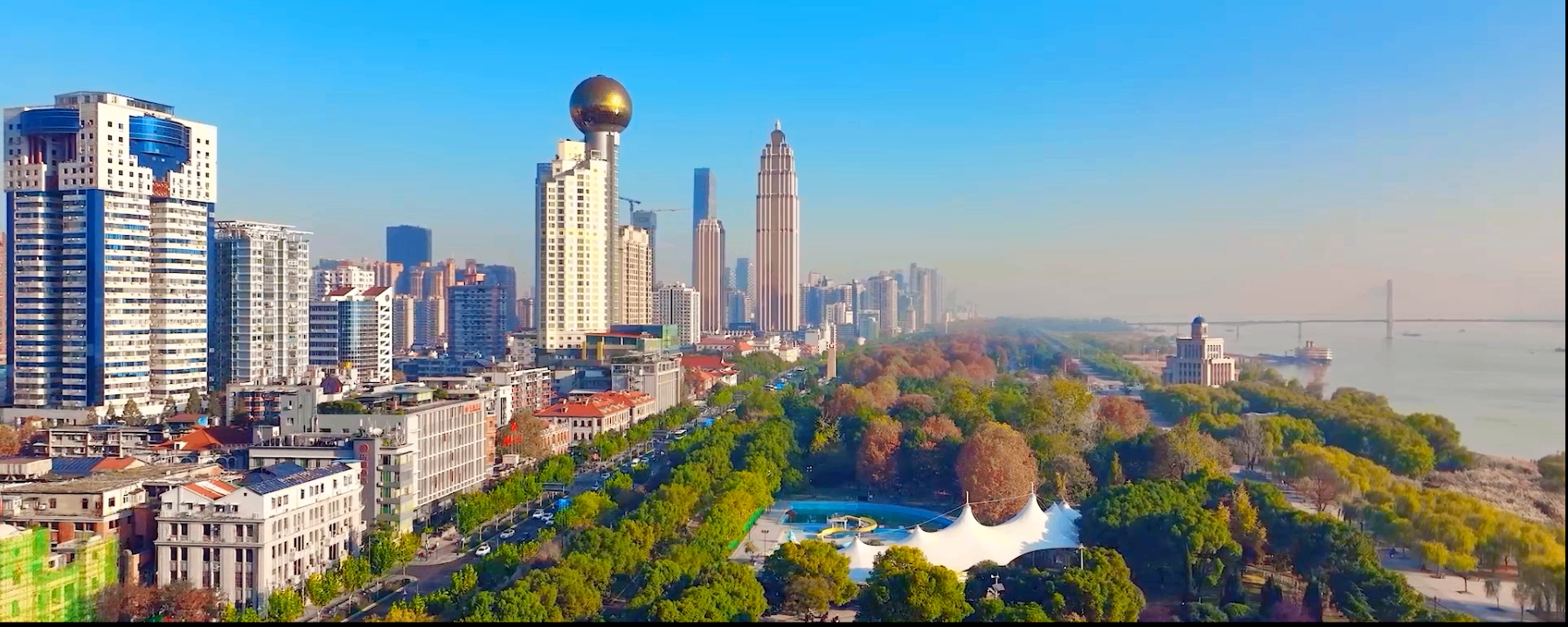
The video vividly interprets how design drives Wuhan's urban renewal and industrial development through three dimensions.
Firstly, it focuses on the citywide construction of "city-water symbiosis," represented by projects such as the Baili Yangtze River Ecological Corridor, Phase III of East Lake Greenway, and Chenhu International Town, sketching a modern urban landscape where human-nature harmony coexists with technology-empowered development.
Secondly, it highlights the industrial momentum driven by engineering design across all fields. Through landmark domestic and international projects participated by institutions such as China Railway Major Bridge Reconnaissance & Design Institute, CCCC Second Highway Consultants, and China Railway siyuan survey and design group, it showcases Wuhan's solid design capabilities and the trend of the engineering design industry transforming toward digitization, greening, and industrialization.
Thirdly, it depicts the diverse integration of the design ecosystem. By leveraging the 8th Wuhan Design Biennale, the construction of the "Three Zones," and industry-education integration practices, it presents the profound transformation of design—from professional domains to daily life, from "sharing" to "co-creation," and from "residence" to "living."
Denise Bax affirmed Wuhan's practice of driving urban renewal and activating community vitality through design, expressing eagerness to deepen cooperation with Wuhan in cultural creativity-driven urban renewal. Bruno Dercon stated that Wuhan is building a future city through systematic thinking and deep integration of art and technology. He proposed that Wuhan should demonstrate leadership in four dimensions—green transition, innovative economy, inclusive sharing, and cultural development—to establish a sustainable development paradigm for Asia-Pacific cities.
The construction of Wuhan's "City of Design" focuses on reshaping urban landscapes through design while employing systematic thinking to pave the path for sustainable development. Moving forward, Wuhan will continue to unleash the vigorous momentum of design innovation, offering more Wuhan-sourced wisdom and solutions to the world.